
Hey all! My name is Julia, former college student and a home decor enthusiast who loves DIY home improvement projects and finding creative ways to decorate any living spaces on a budget. Recently moved from my dorm to my new apartment which I renovated from scratch and I am here to help you with tips & tricks about home decor/college and more 🙂
I’ve always been curious about how comfortable waterbeds really are. If you’re wondering too, let’s dive into the pros and cons to see if they might be the perfect fit for your sleep needs.
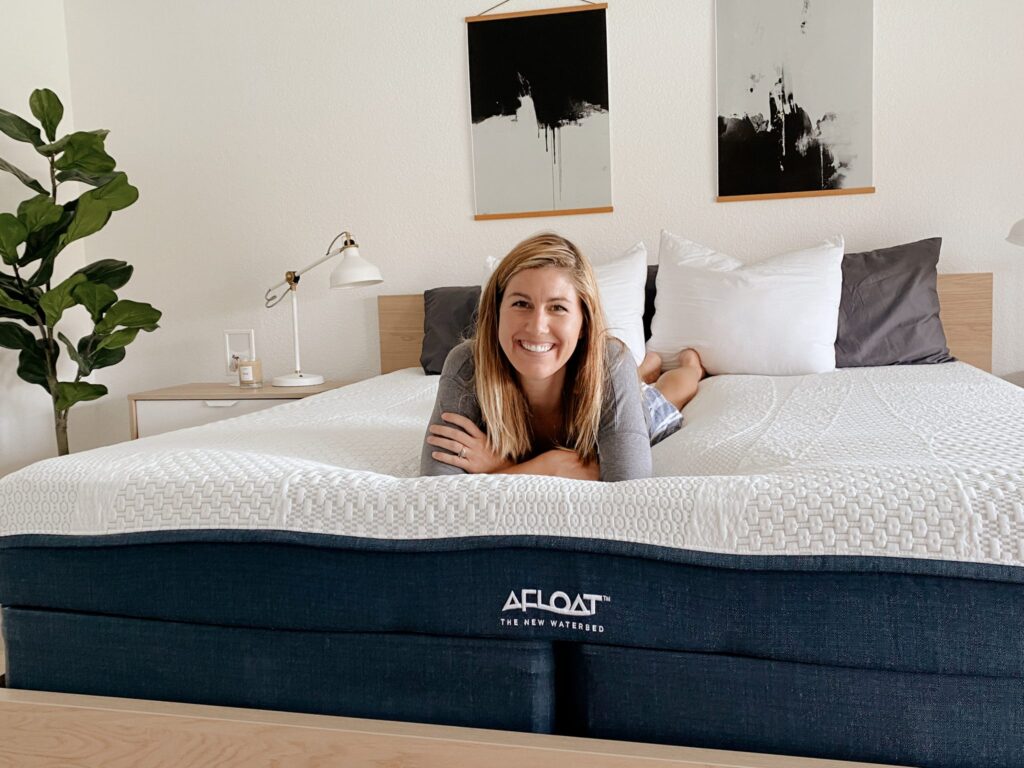
Waterbeds were once the coolest thing in bedrooms across America. Remember those?
They offer a unique sleeping experience that some people absolutely love.
The water inside conforms to your body shape, creating a floating sensation that can feel incredibly comfortable.
Waterbeds can be very comfortable because they eliminate pressure points and provide enveloping support as they adjust to your body.
They stay warm in winter and cool in summer, which is a nice bonus for your sleeping comfort. Many waterbed fans swear they get better sleep on these floating mattresses.
But comfort isn’t the only factor to consider. Waterbeds can be a pain to maintain and move.
When heaters break or if you need to relocate, you’re in for some work.
They also have that wave motion that some sleepers find disruptive while others find soothing.
Your personal comfort preference ultimately determines if a waterbed is right for you.
What Is a Waterbed?
A waterbed is a mattress filled with water instead of springs or foam.
They were hugely popular in the 1970s and 1980s because they conform to your body shape and can be heated for extra comfort.
The Comeback of the Waterbed
Waterbeds are making a surprising comeback in today’s sleep market. Modern versions have fixed many problems that made people abandon them years ago.
They’re now more leak-resistant and easier to maintain than their predecessors. For instance, the Afloat waterbed has been praised for its innovative design and comfort. Honest review by Graceful Mommy
Today’s waterbeds use better vinyl materials that rarely leak.
Many now come with reinforced corners and improved sealing technology. You’ll find that setting up a modern waterbed is much simpler too.
The heating systems have improved dramatically.
You can control the temperature precisely, making them energy-efficient and comfortable year-round.
They warm you in winter and can be cooler in summer.
If you suffer from back pain or pressure points, waterbeds might help.
Types of Waterbeds
You have two main waterbed options to choose from: hardside and softside. Each offers different benefits depending on what you’re looking for.
Hardside waterbeds have a wooden frame that holds the water mattress. They’re the traditional type you might remember from decades past.
These beds provide that classic wave motion many waterbed fans love. You’ll need special sheets that fit over the wooden edges.
Softside waterbeds look more like conventional mattresses. They have water chambers inside a foam border, making them fit standard bed frames and regular sheets.
Most people can’t even tell they’re waterbeds until they sit down!
You can also choose between free-flow and wave-reduction models.
Free-flow gives you that full wavy feeling, while wave-reduction models use fiber inserts or baffles to limit movement for those who get motion sickness.
Related posts: How to Arrange Pillows on Bed Without Headboard? The Right Way
Conforming to Your Body
Waterbeds excel at conforming to your body’s natural shape.
Unlike regular mattresses, a waterbed distributes your weight evenly across its surface.
This helps reduce pressure points that often cause discomfort in your shoulders, hips, and back.
“You crawl in your waterbed and it is a cool comfortable 80 degrees,” notes one user, highlighting the temperature-controlled comfort many waterbed owners enjoy.
The level of conformity depends on the type of waterbed you choose:
- Full-wave waterbeds move freely with your body but may create a rocking sensation
- Waveless models include fiber layers that limit water movement, providing more stability
Impact on Sleep Quality
Your sleep quality on a waterbed largely depends on your personal preferences.
Many users report falling asleep faster and staying asleep longer on waterbeds compared to traditional mattresses.
Temperature control is a major benefit. Most waterbeds include heaters that maintain your ideal sleeping temperature.
“The water’s ability to absorb and dissipate heat creates a cooling effect that can help you sleep more comfortably,” especially during hot summer nights.
However, motion can be an issue. If you share your bed with a partner, their movements might disturb your sleep on a full-wave waterbed.
Waveless models address this problem but sacrifice some of the distinctive waterbed feel.
The support level varies between models. Some sleepers find waterbeds incredibly supportive, while others miss the firmness of conventional mattresses.
Benefits for Back Problems
Waterbeds provide even weight distribution across your entire body.
Unlike traditional mattresses that create pressure points, waterbeds mold to your specific shape.
This means your hips and shoulders stay level while your spine rests in a natural position.
Many people with back issues report feeling relief after switching to a waterbed. The water’s supportive nature helps reduce stress on your muscles and joints during sleep.
Your body doesn’t have to work as hard to maintain proper alignment.
Prevention of Bed Sores and Allergies
Waterbeds can be excellent for preventing bed sores, especially for those with limited mobility.
The even pressure distribution means you’re less likely to develop painful pressure spots that lead to sores.
Another major benefit? Waterbeds are naturally resistant to dust mites. These tiny creatures can’t live in the vinyl material of a waterbed like they can in traditional mattresses.
For allergy sufferers, this is huge news. No dust mites means fewer allergens in your sleeping environment. You might find yourself sneezing less and breathing easier at night.
Waterbeds are also easy to clean. Just wipe the surface with a mild cleaner, and you’ve eliminated most allergens. No need for special covers or frequent deep cleaning like with traditional mattresses.
Maintenance and Care
Waterbeds require more upkeep than traditional mattresses.
You’ll need to add a water conditioner every 6-12 months to prevent algae growth inside the mattress. This simple step keeps your bed fresh and extends its life.
Vinyl care is important too. Use a vinyl cleaner regularly to prevent cracks and leaks. Don’t worry about catastrophic floods though – modern waterbeds have safety liners that contain water if a leak happens.
Moving a waterbed? You’ll need to drain it first, which takes about an hour with a garden hose.
This might seem like a hassle, but many waterbed owners find the comfort worth the extra effort.
Adjusting to the Movement
If you’re considering a waterbed, be prepared for an adjustment period.
The wave motion can take some getting used to! Many first-time waterbed users report feeling seasick during their initial nights.
“It felt like sleeping on a boat the first few nights,” my neighbor told me after buying one. “But after a week, I couldn’t imagine sleeping on anything else.”
The good news is that modern waterbeds come with different stabilization options:
- Full wave: Complete freedom of movement
- Semi-waveless: Reduced motion with fiber layers
- Waveless: Multiple fiber layers for minimal movement
Weight and Support Considerations
Waterbeds are heavy!
A queen-size waterbed typically holds 150-200 gallons of water, weighing around 1,200-1,600 pounds when filled.
Make sure your floor can handle this weight.
Some apartment buildings actually prohibit waterbeds in their leases because of structural concerns.
Weighing the Pros and Cons
Waterbeds offer unique comfort through even pressure distribution.
Your body weight spreads across the water surface, potentially reducing pressure points that cause discomfort.
Many waterbed owners report fewer issues with back pain and better sleep quality.
However, be realistic about the drawbacks. Waterbeds are heavy when filled and can be a major hassle if you move frequently.
They require maintenance like occasional water treatment and heater checks. If the bladder springs a leak, you’re facing a messy situation!
Consider your sleeping habits too. If you toss and turn a lot, some waterbeds might create a wave effect that bothers you or your partner.
Modern waterbeds with “waveless” technology can minimize this issue.
Comparing to Traditional Mattresses
Traditional mattresses remain popular for good reasons.
They’re easier to set up, move, and generally require less maintenance than waterbeds. You won’t worry about leaks or heating elements failing with a standard mattress.
Memory foam mattresses provide pressure relief similar to waterbeds but without the water. They contour to your body and isolate motion well. However, they don’t adjust dynamically to position changes like waterbeds do.
Price is another factor worth considering. Quality waterbeds often cost more upfront than traditional mattresses.
You’ll also face additional expenses for maintenance supplies, possible repairs, and higher utility bills from the heating element.
Durability differs too. A well-maintained waterbed can last 15+ years, often outlasting traditional mattresses.
But this longevity depends on proper care and avoiding punctures or component failures.
Frequently Asked Questions
What’s the real scoop on sleeping on a waterbed – comfy or not?
Many waterbed users find them extremely comfortable. The water inside distributes pressure evenly across your body, which can reduce pressure points that cause discomfort.
Unlike traditional mattresses, waterbeds conform to your body shape. This helps more of your body make contact with the sleeping surface, potentially reducing tossing and turning.
For people with back pain, waterbeds might offer relief. The buoyancy can help support your spine and reduce pressure, which some sleepers find helpful for back problems.
Temperature control is another comfort bonus. Most waterbeds come with heaters that let you adjust the temperature to your liking, making them cozy during cold nights.
Why aren’t waterbeds as popular nowadays?
Maintenance is a big reason waterbeds lost popularity. They require periodic adding of water and conditioning chemicals, plus you need to watch for leaks.
Moving a waterbed is a major hassle. You have to drain it completely, which takes time, and they’re heavy even when empty. This makes them impractical for people who relocate often.
Setup challenges also turned people away. You need special frames, heaters sometimes break, and the initial filling process is complicated.
Modern memory foam and hybrid mattresses now offer similar pressure relief without the maintenance headaches. These alternatives give comparable comfort with much less work.
The “look” factor matters too. Traditional waterbeds have a distinctive appearance that fell out of style, though newer “softside” models look more like conventional mattresses.