

This week’s bedroom rabbit hole is mismatched nightstands – which, yes, can look wildly designer and chic and collected-over-time…or they can look like you panic-bought something at 11:47 pm because your phone kept falling on the floor and you just needed anything to put your water glass on. (Been there. MANY TIMES. No regrets… but also, regrets.)
The good news is this is not a vibes-only situation.
There are actual rules – measurable ones – that make “random” read as intentional in about 10 minutes with a tape measure. Not styling. Not shopping. Just… measuring. (I know. Not exciting. But this is also exactly where things either start working…or completely falls apart.)
I used to think mismatched nightstands were a “people who know design” thing and matching sets were a “people who want peace” thing…but the more bedrooms I’ve seen (and tried to fix), the more I’m convinced mismatched is actually easier – and honestly, looks better – if you follow a system.
Because here’s the thing: matching nightstands look safe.
Mismatched nightstands look like you actually thought about the room.
And everything starts with height. ALWAYS height.
The 60-Second Check Before You Style Anything
Before you buy a single lamp, tray, or decorative object that you will later regret dusting… do this first. Seriously.
1) Measure your mattress height + your current nightstand height
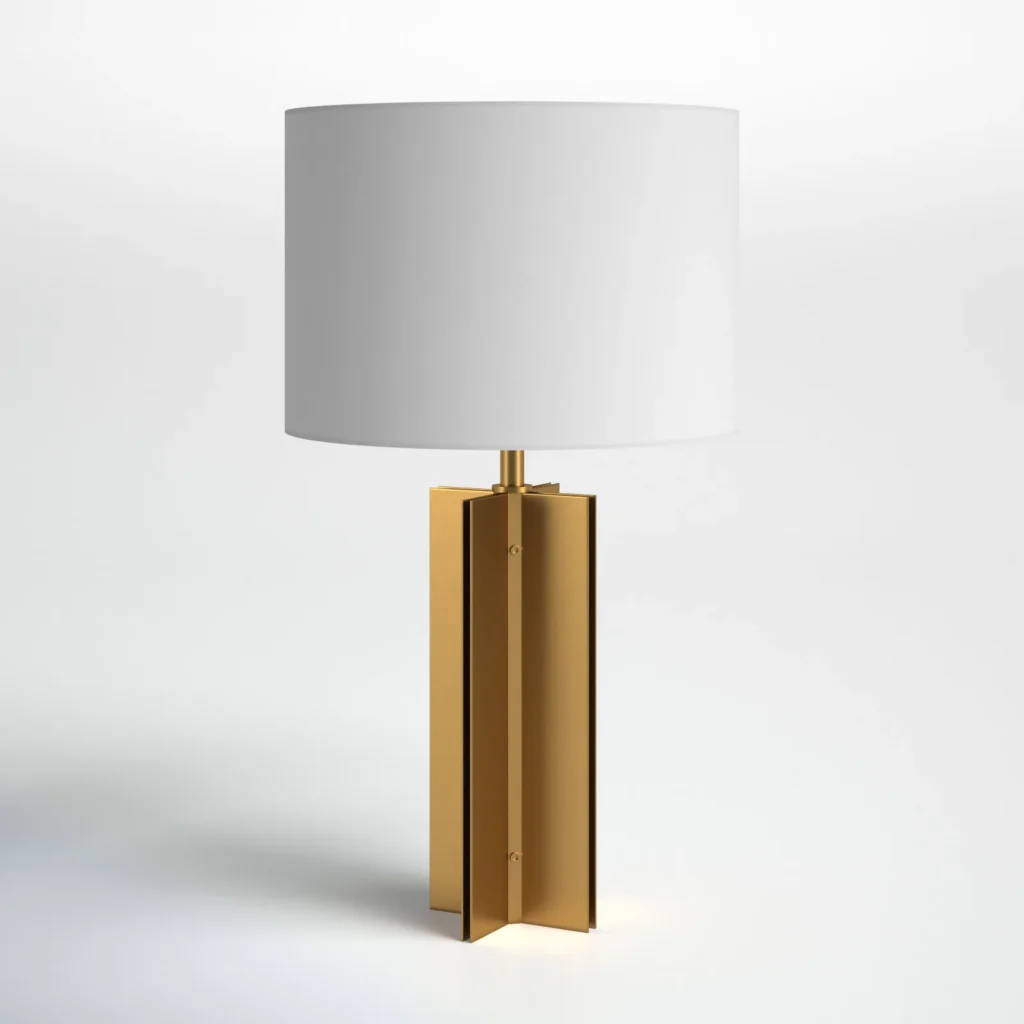
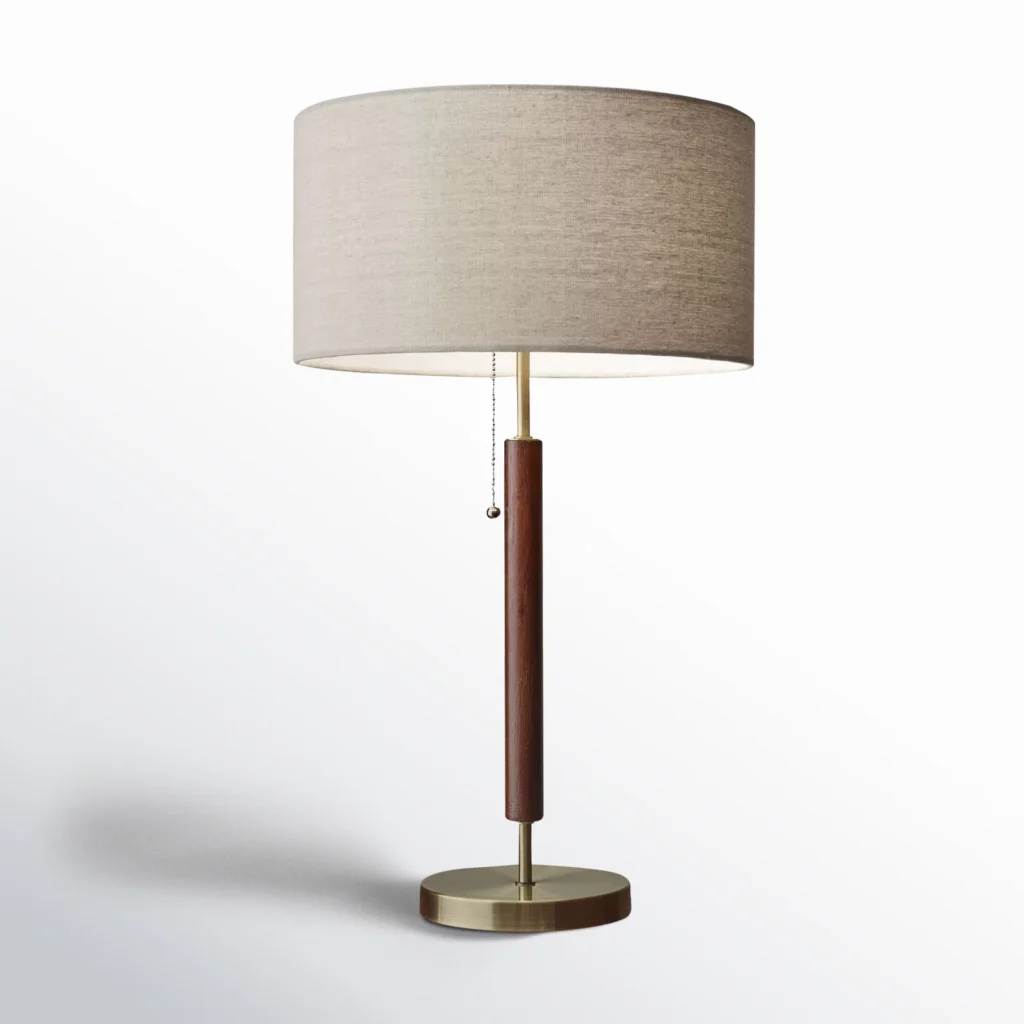
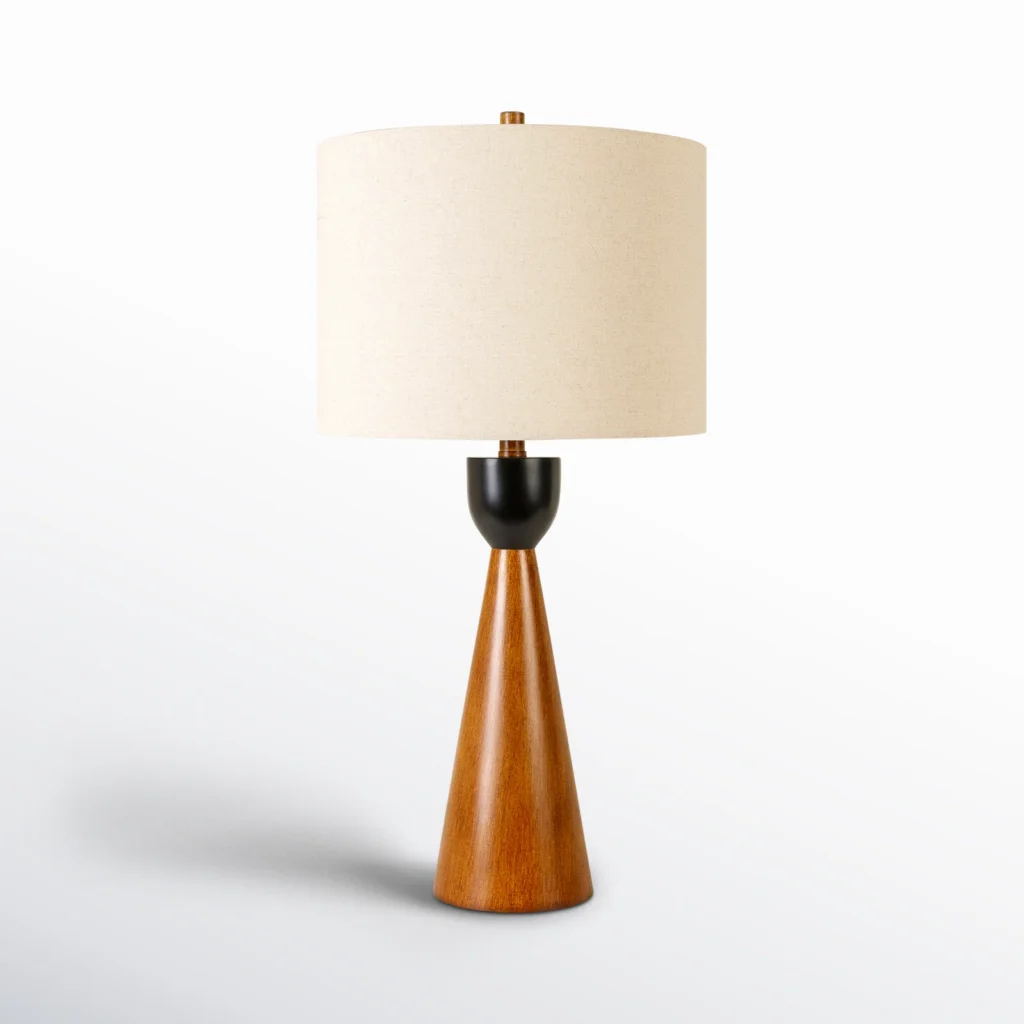
Cityside Metal Table Lamp / Fernando Table Lamp / Edwards Table Lamp
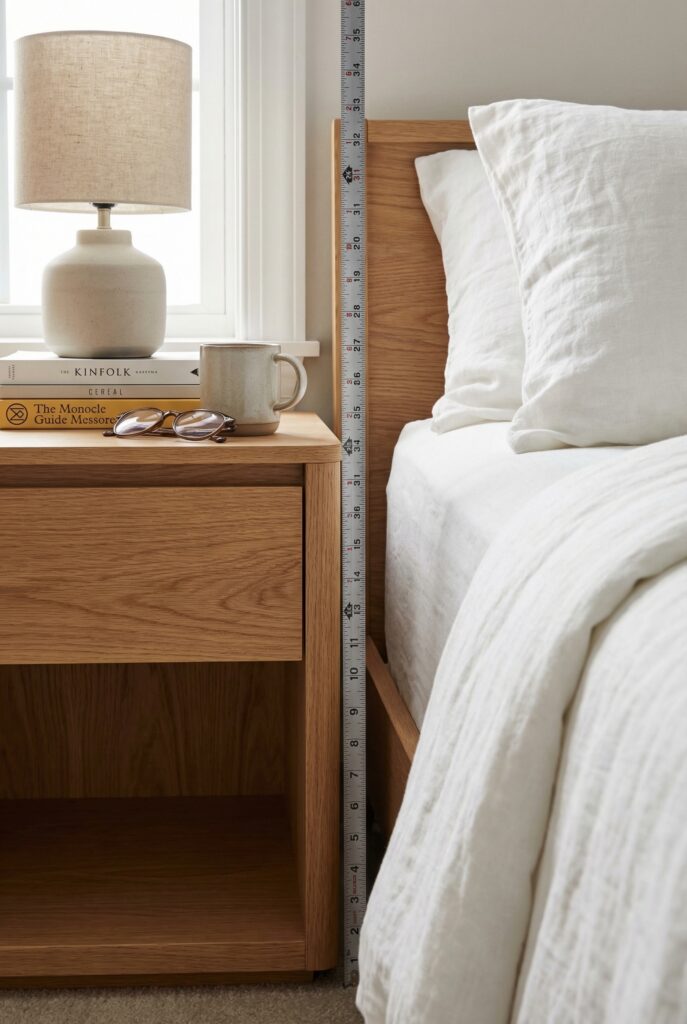
Measure floor → top of mattress (with bedding, because bedding lies to you and adds height when you’re not paying attention).
Measure floor → top of each nightstand.
Quick rule: your nightstand surface should be level with the top of your mattress or slightly below.
If it’s not, you will feel it every night. Not dramatically. Just in that low-level, constant way where something feels slightly off and you don’t know why. Reaching feels awkward. Lamps feel wrong. Everything just… doesn’t land.
And if something feels off, it’s almost always the height. It’s rarely the styling.
And no amount of styling fixes bad height. None.
2) Identify your “problem side”
There is always a problem side. Always.
It’s the side where the door hits the furniture (WHY is this still happening), or the outlet is in the most useless position possible, or you can’t walk normally without turning sideways like you’re sneaking past your own bed.
That side is not going to behave like the other one.
And the second you stop trying to make both sides identical, everything gets easier. Like instantly easier.
Because now you’re solving two different problems instead of forcing one bad solution on both sides.
3) Decide your “height lane”
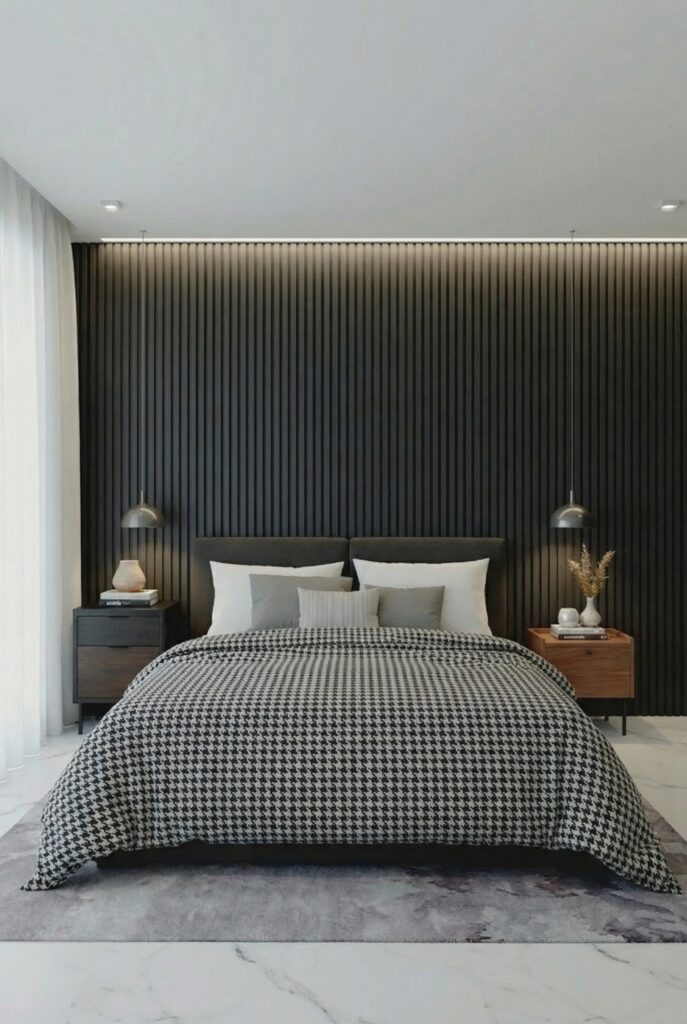
This is where people quietly mess everything up – and then try to fix it with styling for weeks instead of just… choosing properly in the first place.
You have two options:
Calm lane: nightstands within 0–4 inches of each other
Clean, quiet, feels safe
Drama lane: more than 4 inches difference
Intentional asymmetry, more personality, more “this was on purpose”
Both are good.
What doesn’t work is landing somewhere in between and hoping it looks intentional. That’s how you end up with one nightstand you love and one that just… exists.
The Non-Negotiables (The Rules That Make It Look Intentional)
Okay. Now we stop guessing.
Rule 1 – Get the height right first (because nothing fixes bad height)
If your nightstand is too low, you’ll feel it every single night. If it’s too tall, it starts to dominate the whole setup and suddenly your lamp feels like it’s interrogating you instead of lighting the room.
Target: nightstand top = mattress height or slightly below.
If your nightstand is more than 2–3 inches lower, it will feel off. You can try to fix it with books and trays (I’ve done it, it works temporarily), but it never feels fully right.
If it’s higher, everything starts to feel exaggerated and slightly uncomfortable.
This is the rule that controls everything else. Not the decor. Not the styling. This.
Related: How High To Hang Mirror Over Nightstand? Step By Step Guide
Rule 2 – Choose your “pairing method”

Mismatched doesn’t mean unrelated.
You need one thing connecting the two pieces. Just one.
The easiest place to do that is almost always the lamps. I don’t know why, but matching lamps can take two completely different nightstands and instantly make them feel like a pair.
After that, you can repeat a metal finish, keep shapes in the same family, or stay within the same material tone.
If nothing connects them, it feels random.
If everything connects them, it feels like a set again.
You’re looking for that middle ground where it feels intentional, but not forced.
Rule 3 – Balance visual weight (this is the part people miss)
This is where rooms either feel calm…or slightly uncomfortable for no obvious reason.
If one nightstand is heavy – boxy, dark, very solid – the other one has to breathe.
Something lighter. Legs. Open base. Less visual weight.
If both sides are heavy, your bed looks trapped. And once you notice it, you cannot unsee it.
Rule 4 – At least one side needs real storage
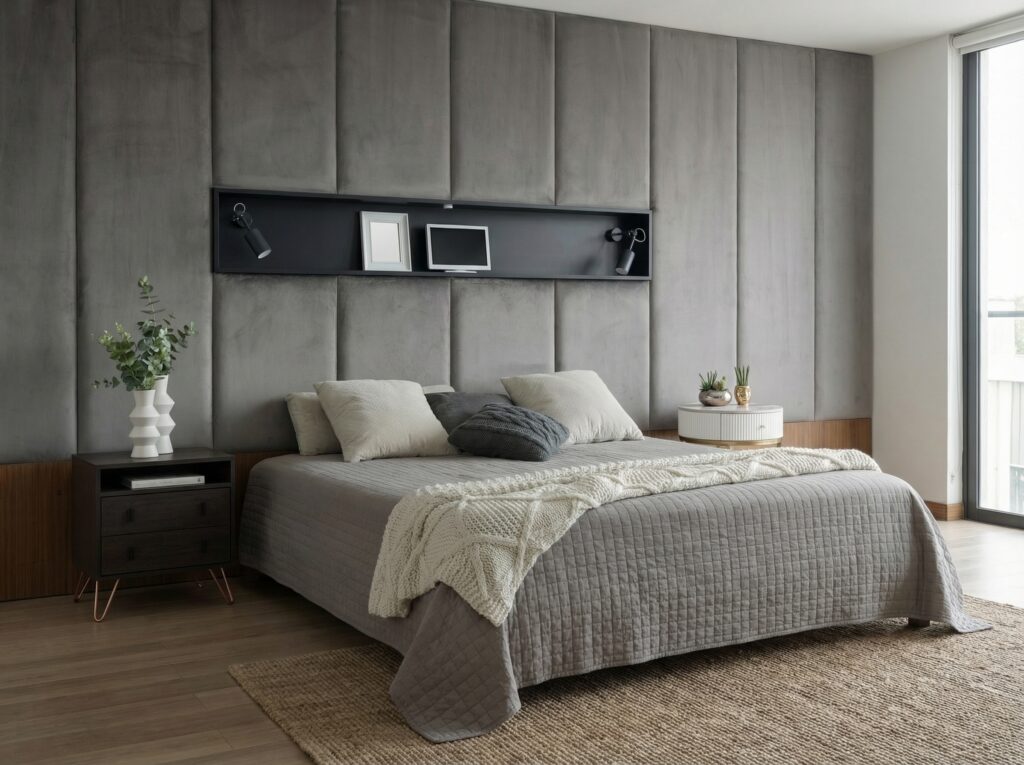
Because real life is not aesthetic.
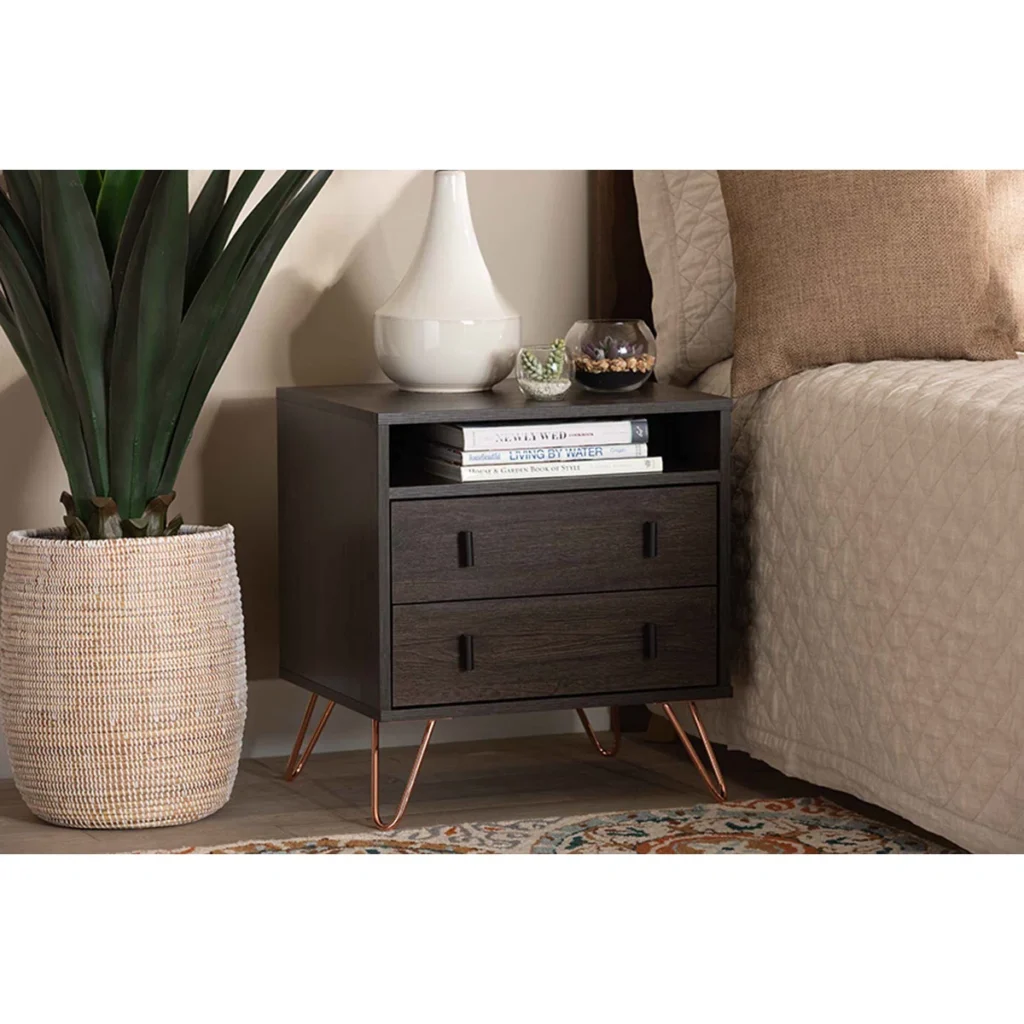
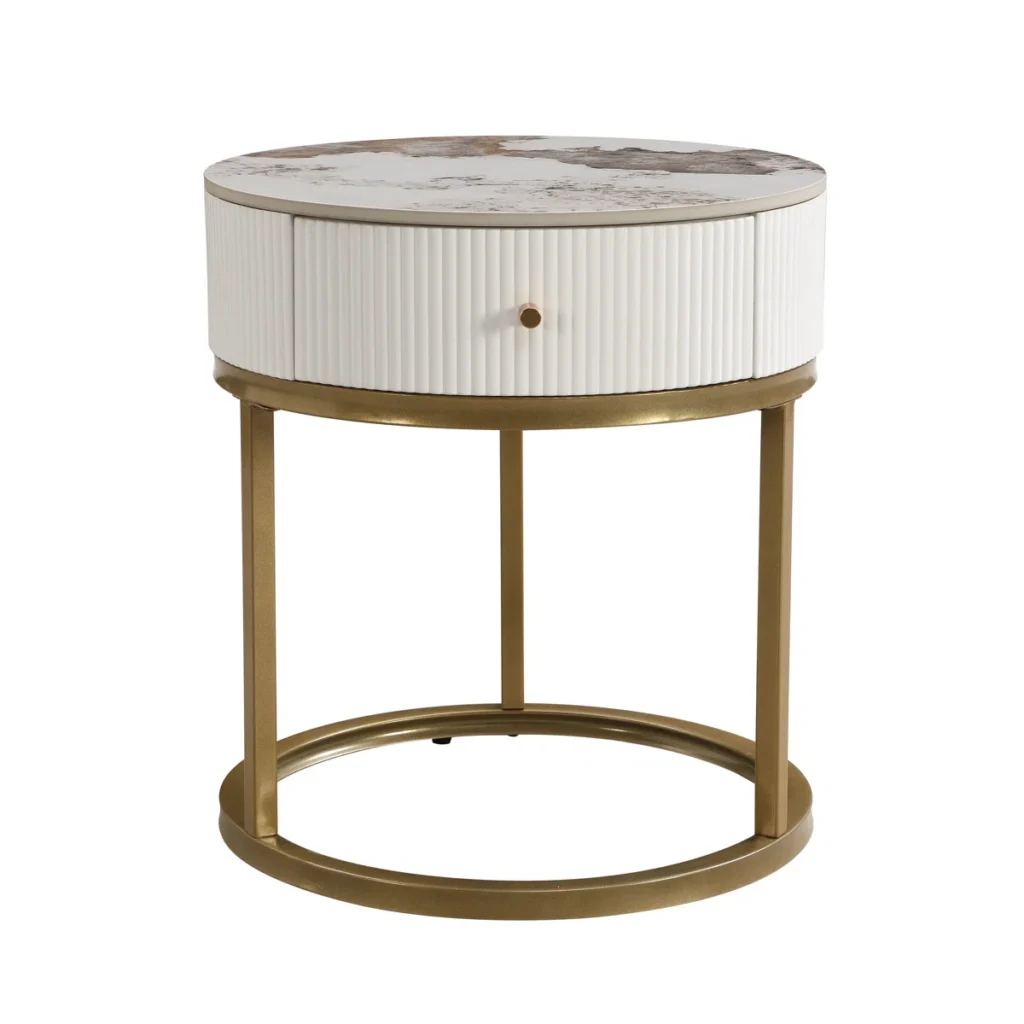
Avard 19.7” W Nightstand / Marble Round End Table
One side of the bed always becomes a mix of:
chargers, lip balm, water glass, something random you didn’t plan to keep there but now lives there permanently.
If both nightstands are just flat surfaces, clutter slowly takes over.
So at least one side needs a drawer, a shelf, something that hides the chaos before it spreads.
Because once it spreads, it doesn’t really come back.
How to Make Two Different Nightstands “Talk” (Without Matching)
This is where it actually gets interesting – because you stop trying to find perfect pairs (which are always sold out anyway) and start building something that feels layered.
Pick One Unifying Element
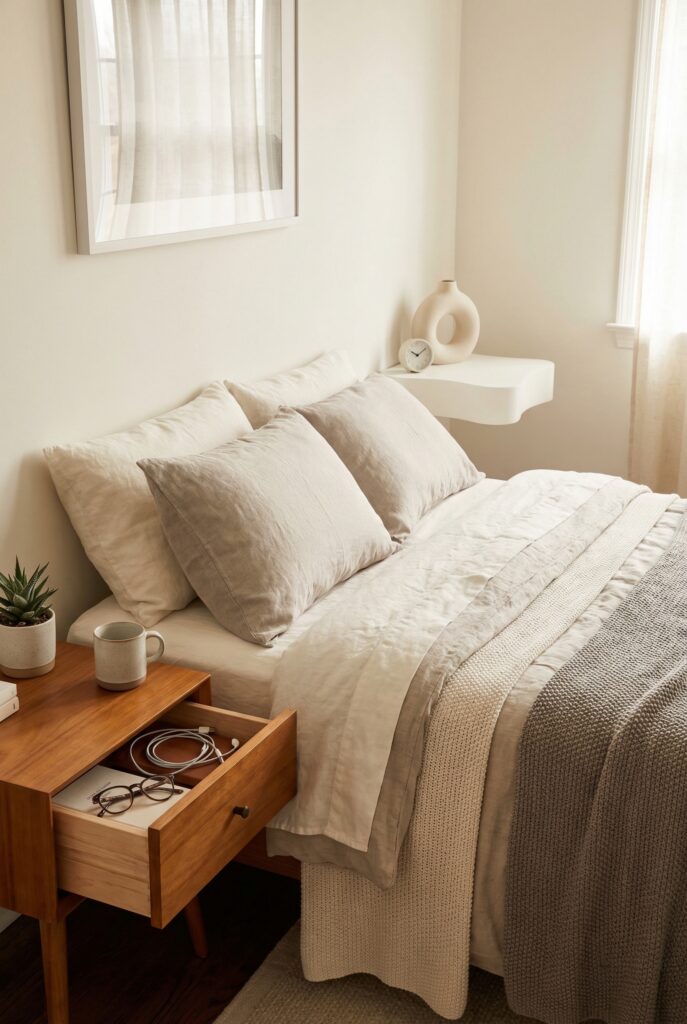
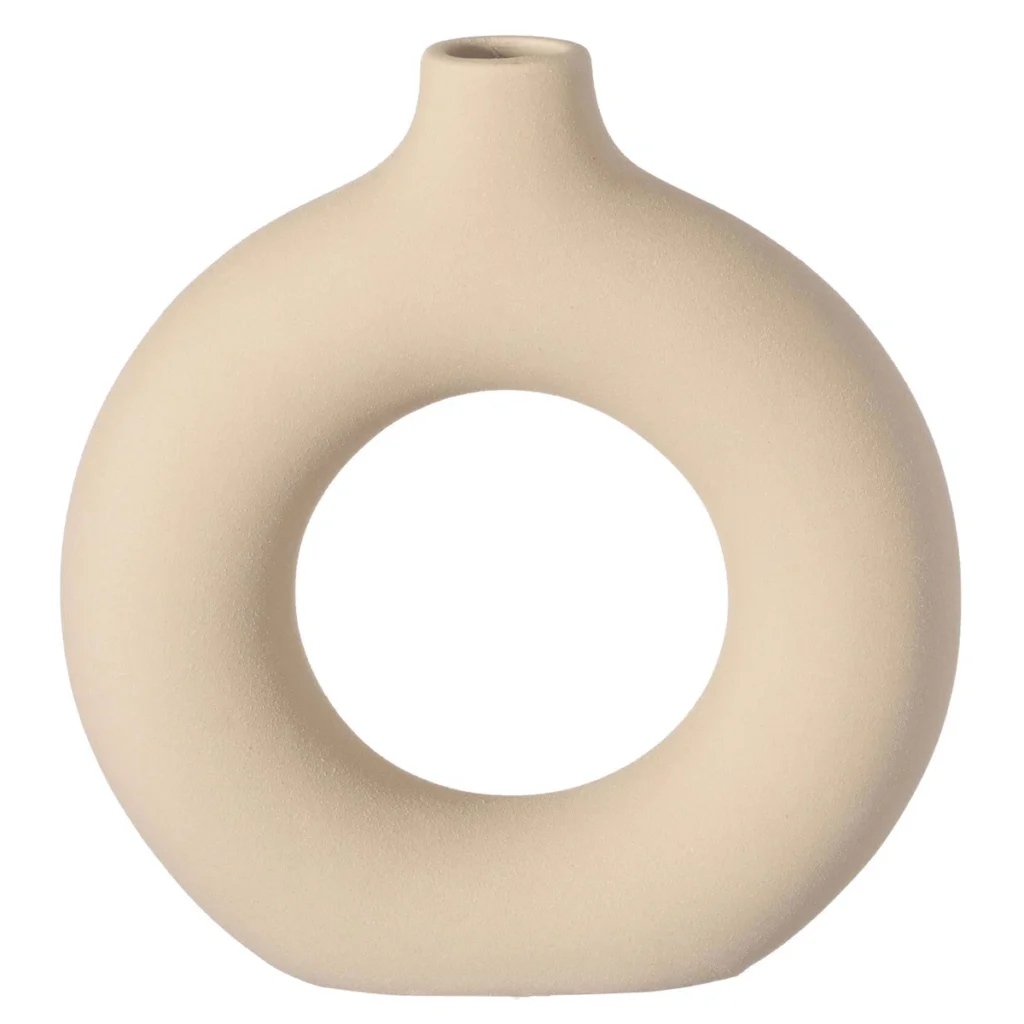
One is enough. Truly.
The easiest way to do this is through lamps, but it can also be a shared finish, a similar shape, or even just staying in the same warm or cool tone family.
There’s a very thin line between “collected” and “why is everything different?” and it usually comes down to whether your eye can find something that repeats.
If it can’t, it feels accidental.
Mix Materials (But Don’t Go Chaotic)
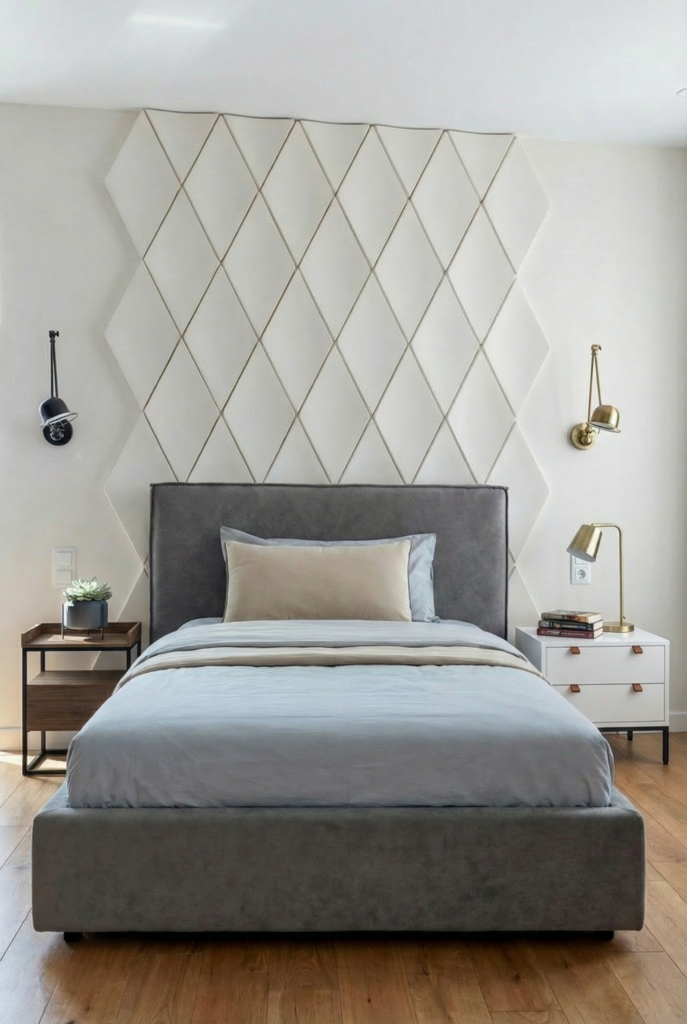
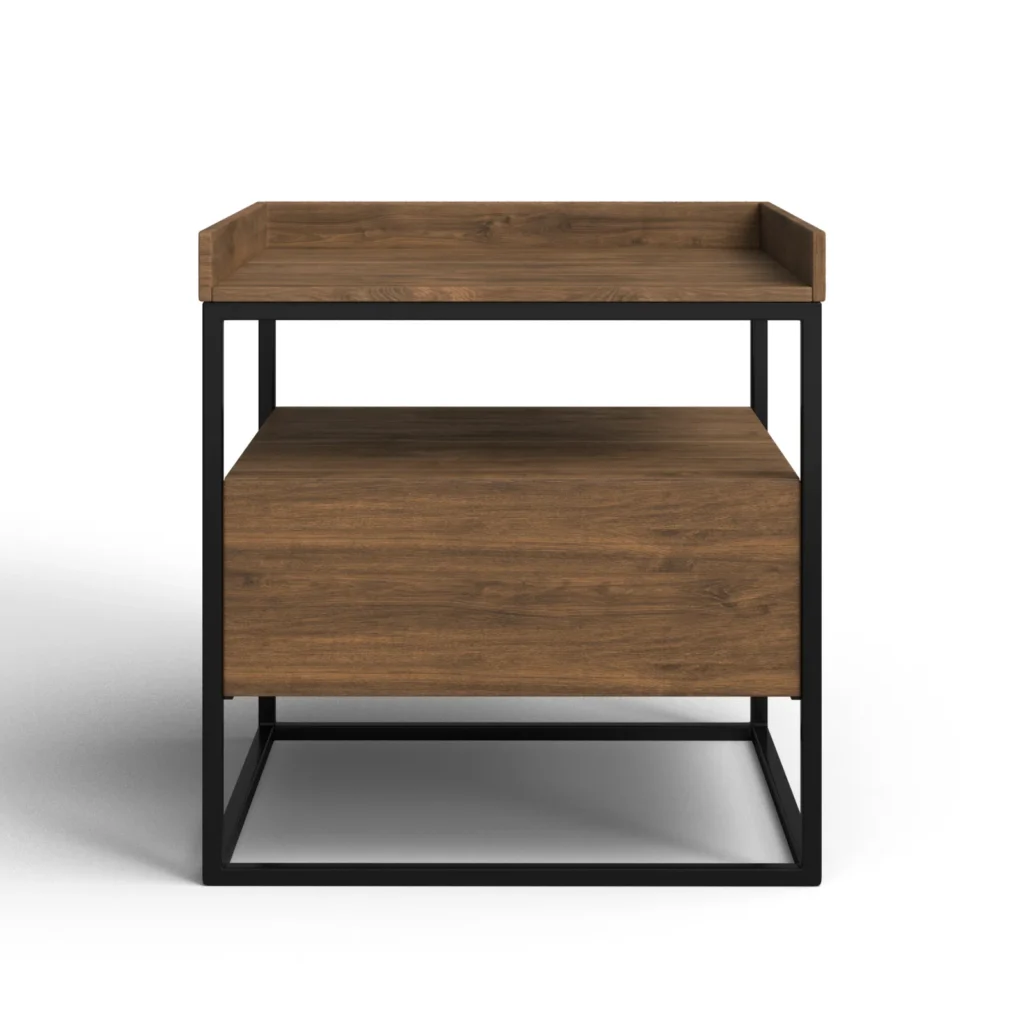
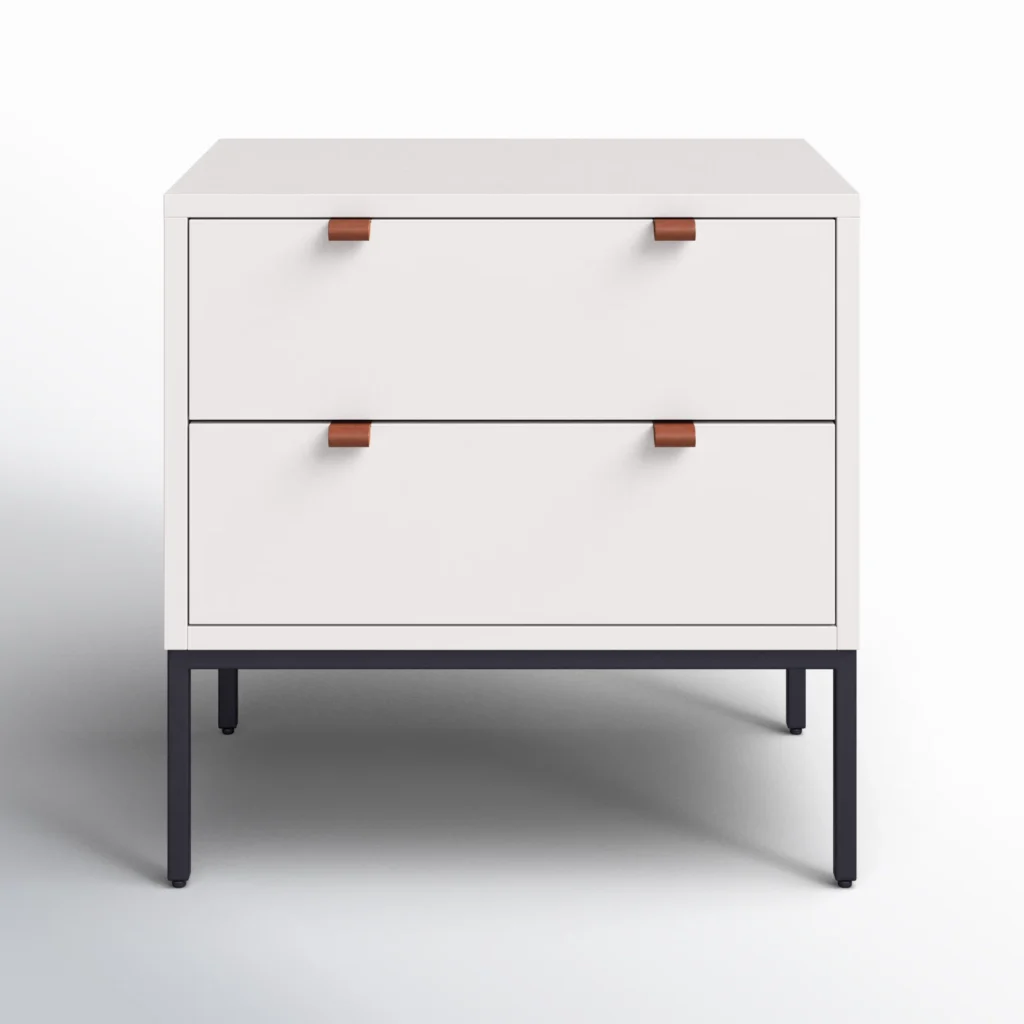
Berrien 1 – Drawer Nightstand in Light Brown/Black / Avery Nightstand
Mixing materials is what makes a room feel real instead of staged.
Wood with metal. Wood with linen. Stone with wood.
These combinations add depth without making things feel messy.
But if everything is different, it stops feeling layered and starts feeling like nothing belongs together. And that’s a very specific kind of chaos.
The Styling Formula (So Your Nightstands Don’t Become Clutter Traps)
Nightstands are not decorative objects.
They are where real life happens.
Which means if you don’t give them structure, they slowly turn into chaos without you even noticing.
The 3-Layer Stack (This Works Every Time)
Tall – lamp
Medium – books or a box
Small – tray
That’s it.
Anything more starts to feel crowded. Anything less feels unfinished.
This is one of those things that just works, no matter the style.
Lamp Scale Rules (This Is Where Things Go Wrong Fast)
A lamp that’s too small looks accidental.
A lamp that’s too big looks like it belongs somewhere else entirely.
A good guideline is keeping the lamp proportional to the nightstand and making sure the shade stays within the width of the table.
If your lamps are different, keep their heights close. That alone calms everything down.
Because your eye reads symmetry at eye level first, not at table level.
Tray Strategy (aka: Stop the Small-Item Chaos)
If your nightstand feels messy, it’s usually not because you’re messy.
It’s because small things don’t have a place to land.
A tray fixes that instantly.
Without it, everything spreads. And once it spreads, it quietly becomes permanent.
Three Real Bedroom Scenarios
Small Bedroom (Tight Clearance)
If you can’t walk past your bed without turning sideways, your nightstand needs to go vertical, not deeper.
Use something slim on the tight side, and let the other side handle storage.
Because in small spaces, function is not optional. It comes first.
Master Bedroom (More Space)
This is where mismatched works best.
One side can be heavier and more functional. The other can be lighter and more sculptural.
Then you bring it back together with lamps or height balance.
That contrast is what makes it feel designed instead of accidental.
Rental or Awkward Layout
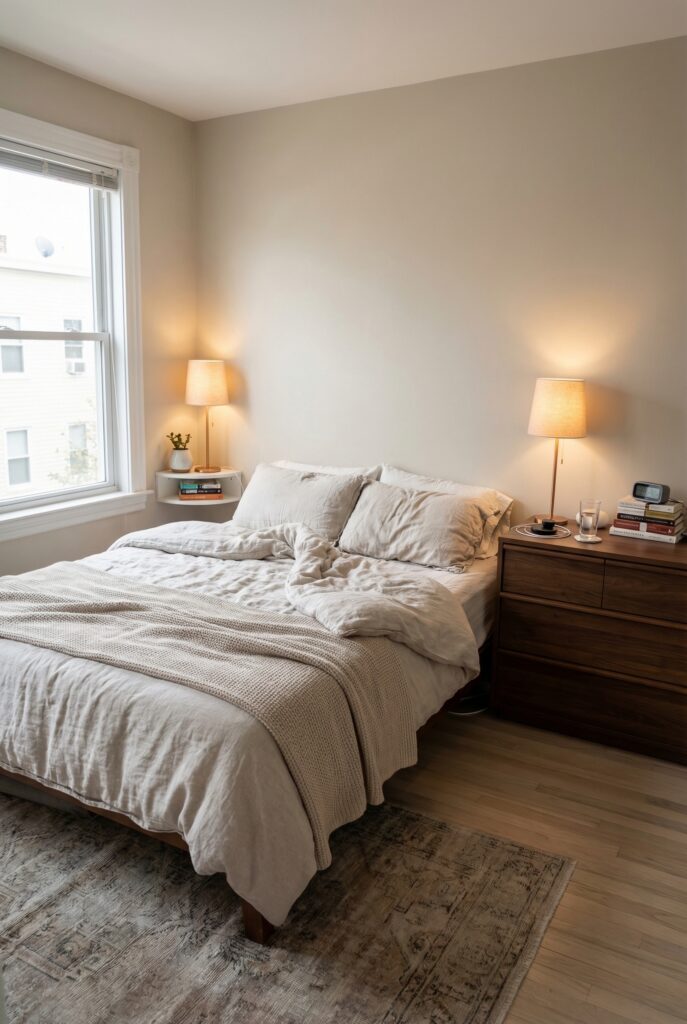
There is always one side that refuses to cooperate.
Stop trying to fix it.
Use a smaller piece there, and let the other side do the work.
One side pretty. One side practical.
That balance is what actually works in real life, even if it doesn’t look perfectly symmetrical.
Common Mistakes + Fixes
If your lampshade hangs over the edge, it will feel crowded immediately.
If your heights are slightly off but not intentional, it will feel like something’s wrong but you won’t know what.
If both sides are heavy, the whole room feels stuck.
These are small details, but they’re the difference between “this works” and “something feels off.”
Quick FAQ
Do mismatched nightstands have to be the same height?
No. But you do need to choose your lane and commit to it.
What’s the ideal height?
Level with your mattress or slightly below.
Fastest way to make them look intentional?
Match the lamps.
The Simple Takeaway
Mismatched nightstands are not the problem.
Lack of structure is.
Once you fix the height, choose your lane, connect the pieces, and balance the weight… everything starts to make sense.
And suddenly it doesn’t look like two random pieces next to a bed.
It looks like you meant to do it that way from the beginning.





Leave a Reply