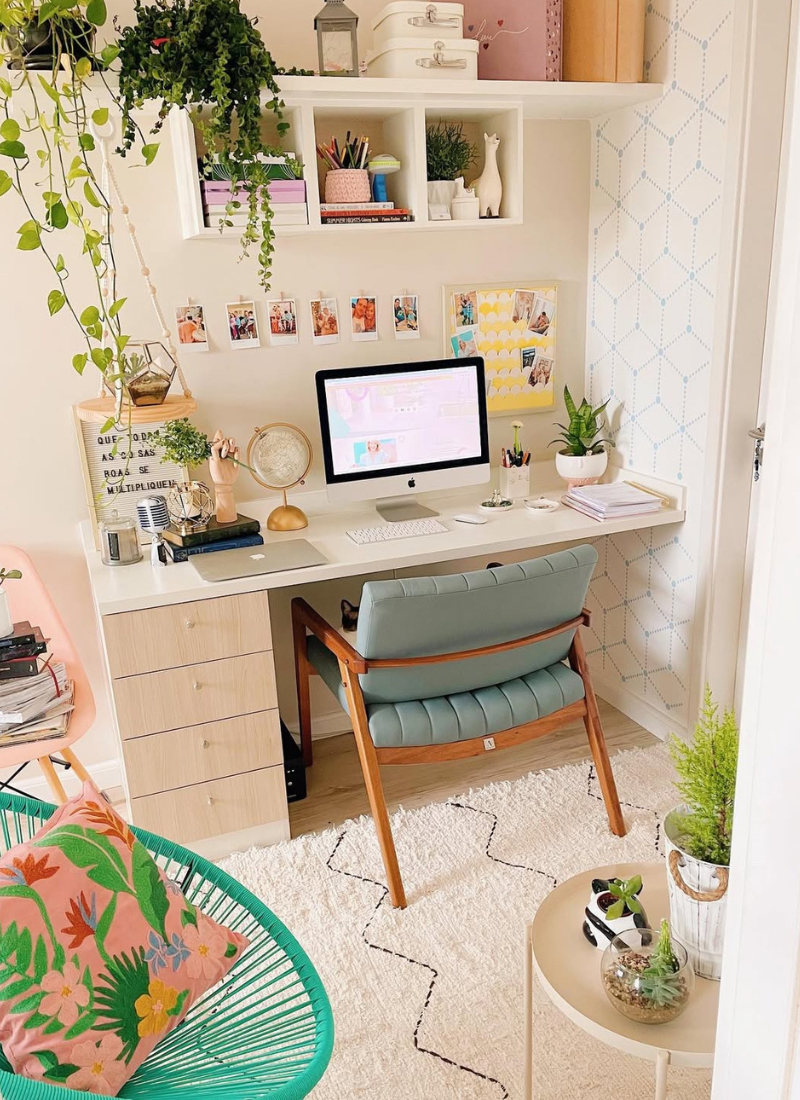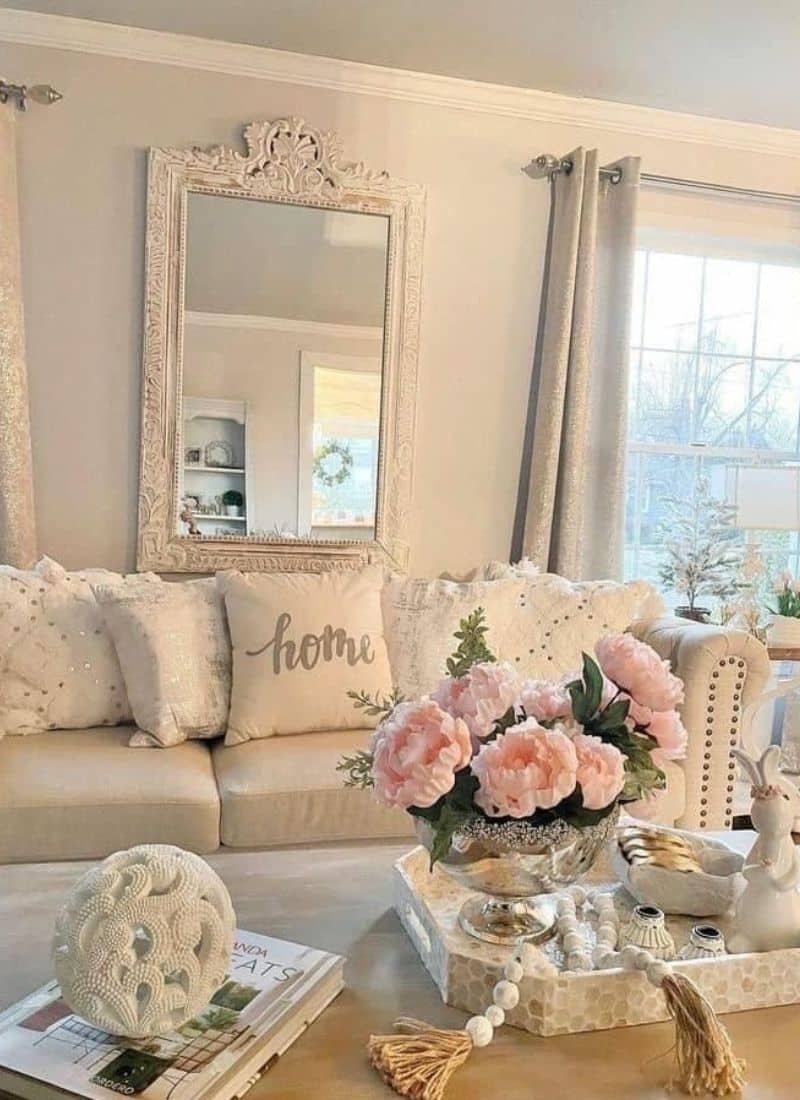
If your home feels like a mix of things you love… and things you panic-bought at night, you’re not broken. This is a real-life way to figure out how to find your decorating style, using what you’re already drawn to, how you actually live, and a few grounded decisions that make everything click instead of clash.
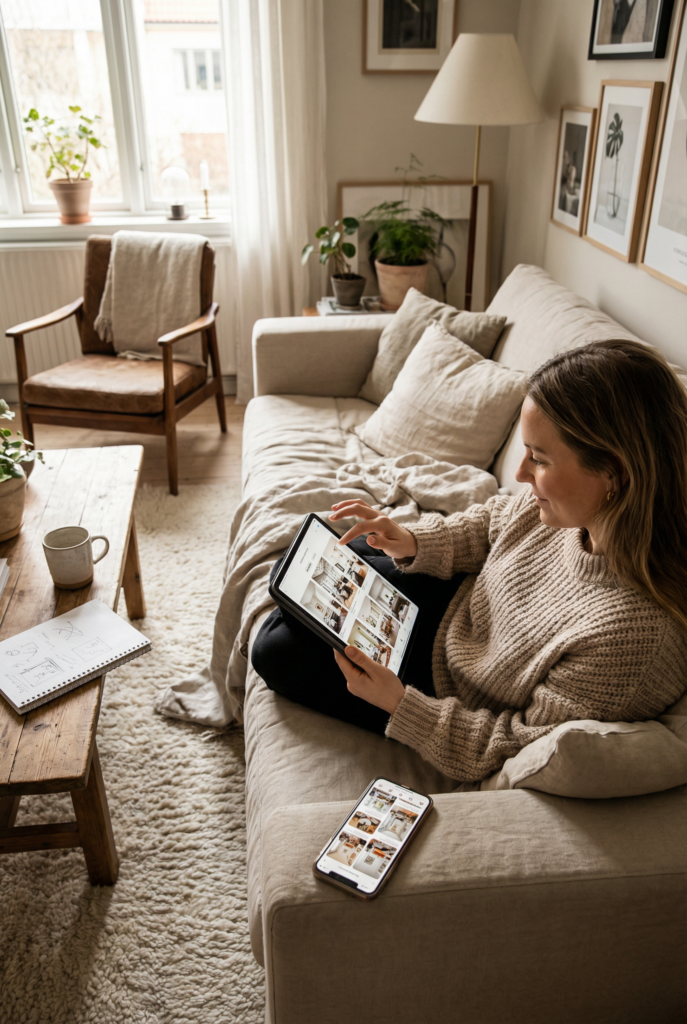
If you want to figure out how to find your decorating style in 2026, start by collecting what you genuinely love, then pressure-test it against your real life (kids, pets, mess tolerance, budget, lighting, all of it).
After that, you turn the “pretty inspiration soup” into a simple mood board that makes decisions easier, not harder.
You’re not trying to become a person who owns only one chair shape forever. You’re trying to make your home feel like you, on purpose.
Quick Start Box: Do This Today (10 Minutes) + Do This This Weekend (1 Hour)
10-minute version (no overthinking, promise):
- Save 12 images of rooms you’d happily nap in. Not “impressive,” just “I would live here.”
- Circle 3 repeats you see across those images: a color direction, a wood tone, a vibe of lighting, a rug pattern, whatever.
- Write one sentence: “I like calm rooms with texture and warm light” or “I like clean shapes with one weird vintage thing.”
- Pick a “no list”: one thing you’re not doing again (boob light trauma, glass coffee tables with kids, white rugs if you drink coffee like I do).
- Choose 2 materials to repeat in your space this month (example: warm oak + black metal, or brass + creamy linen).
1-hour version (the deeper reset):
- Make a tiny folder called “My interior aesthetics” and drop in 25–40 images.
- Sort into 3 piles: “Always yes,” “Maybe,” “Pretty but not me.”
- Build a quick mood board (Pinterest + a collage in Canva/Notes/PowerPoint) with 9–12 images max.
- Label your board with 5 words that describe the feeling, not the style name.
- Pick one micro-upgrade you’ll do first (lamp, rug, paint sample, hardware, art).
Identifying What Inspires You
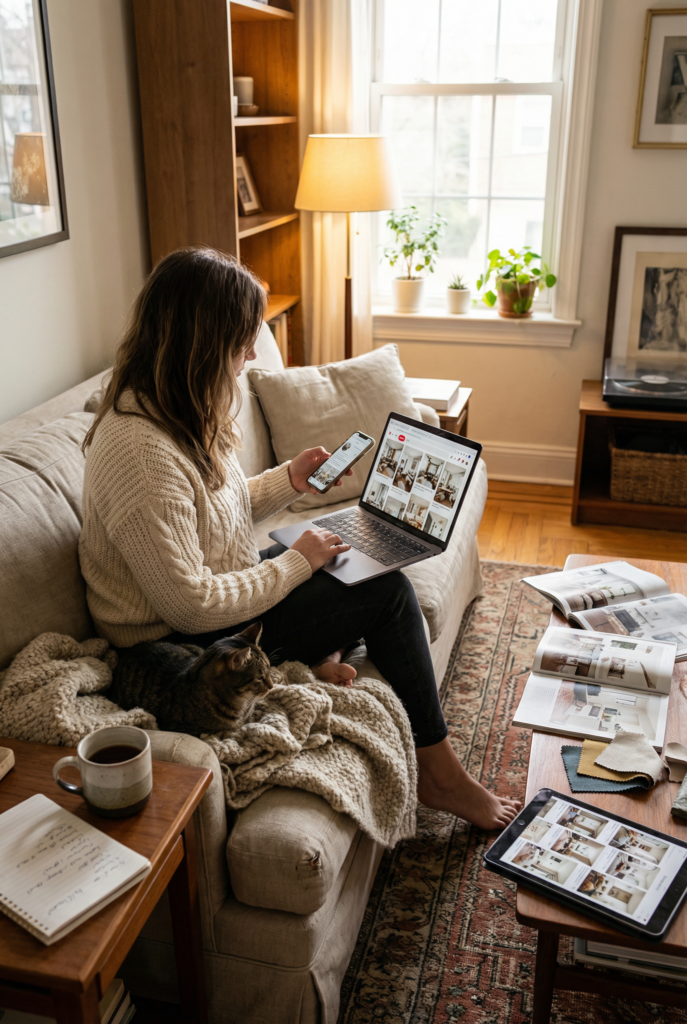
Your style is hiding in what you save, what you rewatch, and what you pause on mid-scroll. The fastest way to find it is to collect real visual inspiration, then look for repeats like you’re a polite little design detective.
Simple rule: collect first, name later. In 2026, the algorithm will try to hand you a whole interior design style identity in one reel, but your job is slower. I want you to gather interior design inspiration from places you actually trust, then notice what your brain keeps choosing when no one is grading you.
This is the beginning of home style exploration, and it’s supposed to feel fun, not like a test. I do this at the least glamorous times, usually with lukewarm coffee and a dog pawing at a throw blanket like it owes him money (my throw never wins).
Save rooms you’d live in, not staged product shots that look like a museum gift shop. Then zoom in: are you drawn to warm woods, quiet patterns, contrast, softness, chunky texture, or clean lines? Those repeats are your style preferences showing their face.
Mini checklist (collecting visual inspiration without getting hijacked):
- Where to look: Pinterest, Instagram saves, magazine home tours, hotels you loved, even screenshots from a random show set.
- What to pin/save: whole rooms, lighting you’d actually use, texture closeups, layout shots, paint colors in natural light, “boring” corners like entryways.
- What to ignore: staged product flat-lays, rooms with no visible storage, ultra-white upholstery with toddlers, “before and after” that magically skip the budget.
- What to write down: 5 feelings you want (calm, sunny, cozy, crisp, playful) plus 3 hard constraints (renter, pets, low light, tiny room).
Real examples (how I do it, without turning it into homework):
When I was renovating the apartment, I saved 20 rooms and realized 14 of them had the same thing: warm, slightly creamy walls and lamps that looked like they were chosen by an adult (not me in 2012, buying the cheapest thing that came in a box).
That was my “discover your style” moment. I wasn’t chasing a trend. I just like soft light and walls that don’t look icy at 4:30 pm. So I built a quick collage design inspiration board: I opened Pinterest, made one board, dumped everything in, then dragged my top 9 into a Canva grid. That’s it. No thesis.
If Canva makes you itchy, do it in Notes or PowerPoint and call it done. When you see your repeats in one place, your decorating style preferences get loud in the best way.
Community inspiration (yes, Reddit can help):
If you want feedback, the interior decorating subreddit and interior design subreddit can be surprisingly kind when you post well. Include clear photos from the doorway and the main seating spot, basic room dimensions, what you love and hate, your budget range, and any weird constraints (renter rules, outlets, wonky windows, kids who treat pillows like wrestling opponents). You’ll get better answers when people can actually “see” the problem.
Design Style Mini Quiz (my quickest way to help you find your decorating style)
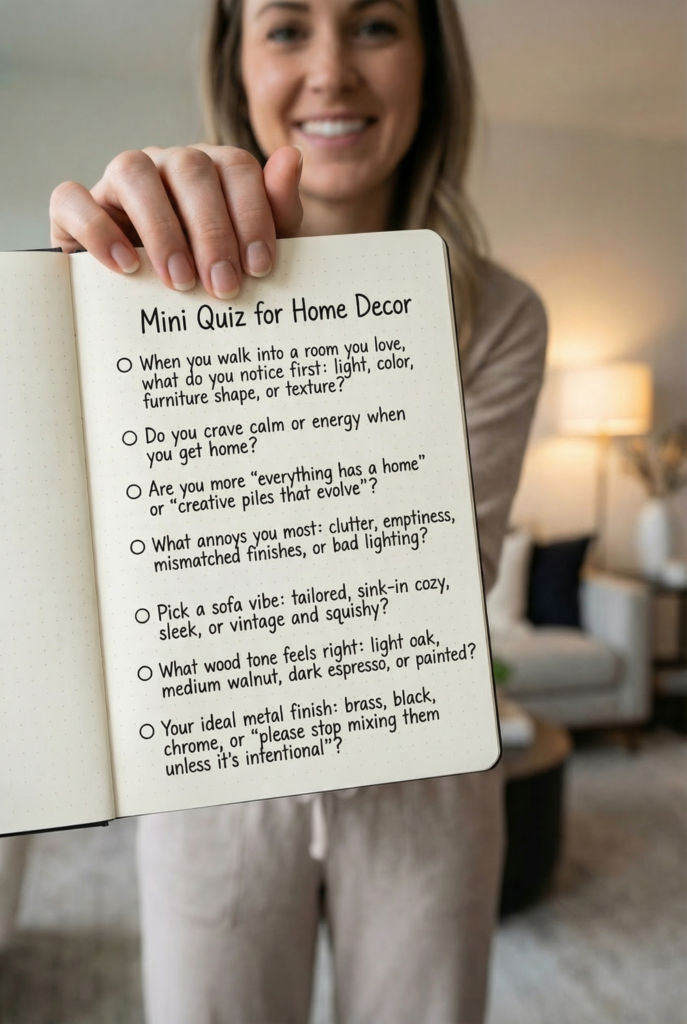
If you want a fast answer, go take my design style quiz on Jully’s Place. It’s a home decor style quiz built for real homes and real brains, the kind that forget what they liked the second they open a new tab.
The questions are the exact stuff I ask myself when I’m tempted by a random trend at 10:47 pm: do I want calm or energy, tailored or slouchy, clean lines or collected layers, warm woods or cooler finishes?
It’s meant to feel like personalized design help, not homework. At the end, you’ll get your favorite interior design style result plus a set of images that match it, so you can see your interior aesthetics in one place and stop second-guessing.
And try to answer from your gut. Your first reaction is usually your real taste.
How to take it so it actually helps:
- Pick what you would live with, not what you’d post.
- Do think about your current space and lighting, not a fantasy house.
- Do pick the option you’d still like on a messy Tuesday.
- Don’t try to “win” a certain result. This is not a personality test.
Once you get your result, don’t just read the style name and close the page. Save the images you’re shown (screenshots are totally fine) and make a little album called “find your design style” or “my interior aesthetics,” whatever will make you smile.
Then look for repeats like you’re playing a very nerdy game of I Spy: wall color direction, wood tone, metal finish, lighting vibe, rug pattern, and how “busy” the room feels. Those repeats are your decorating style preferences in plain sight, and it’s honestly the easiest way to discover your style. Pick three and write them down in plain words, like “warm oak + soft white walls + cozy textured rug” or “high contrast + black accents + clean-lined furniture.”
That becomes your shopping filter. Do buy things that match the repeats. Don’t buy the one-off “cute” thing that belongs to a totally different universe (ask me how I know). If you take other quiz results, use them the same way: compare the images
Quiz questions (answer fast, no essays):
- When you walk into a room you love, what do you notice first: light, color, furniture shape, or texture?
- Do you crave calm or energy when you get home?
- Are you more “everything has a home” or “creative piles that evolve”?
- What annoys you most: clutter, emptiness, mismatched finishes, or bad lighting?
- Pick a sofa vibe: tailored, sink-in cozy, sleek, or vintage and squishy?
- What wood tone feels right: light oak, medium walnut, dark espresso, or painted?
- Your ideal metal finish: brass, black, chrome, or “please stop mixing them unless it’s intentional”?
- Rugs: solid, subtle pattern, big pattern, or “my dog will ruin it anyway”?
- Do you want your room to feel edited or collected?
- If you had to choose one: curves or straight lines?
- What’s your mess tolerance on a Tuesday: low, medium, or “lol”?
- Are you a “one statement piece” person or a “layer it until it feels like a hug” person?
Matching Lifestyle to Design Choices
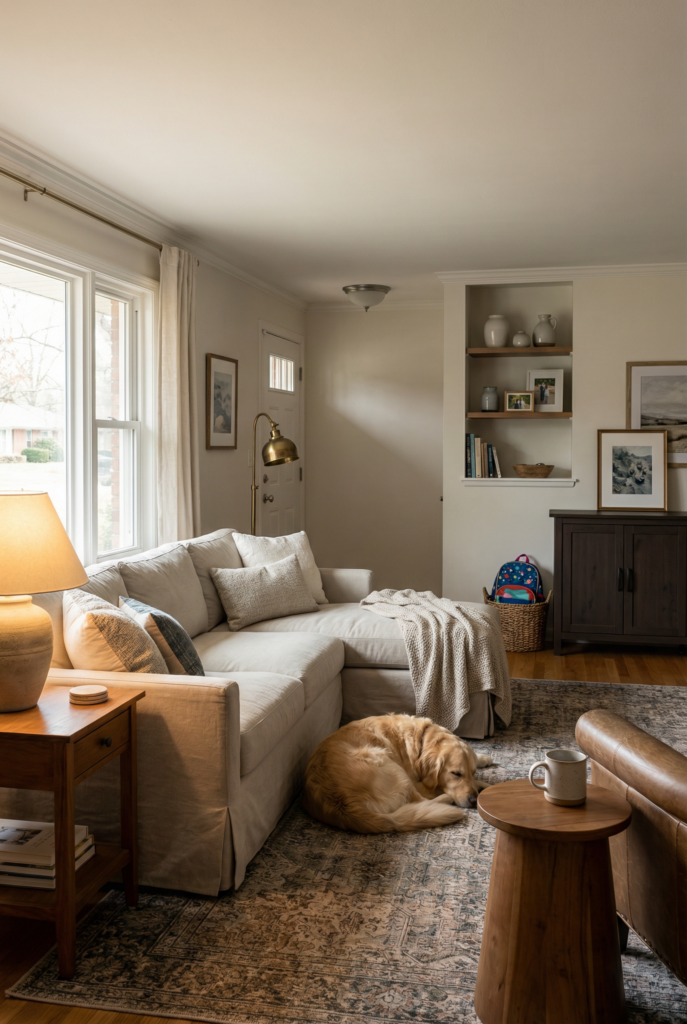
Your best style is the one you can live in on a random Wednesday. Matching your lifestyle to design choices is how you stop re-buying the same “pretty but annoying” things every year.
Simple rule: choose for the life you actually have, not the life in the catalog. This is where personalized decor solutions get real.
If you have kids who wipe toothpaste hands on towels like it’s their job (it’s not), you might still love a light sofa, but you’ll want a performance fabric and a plan.
If you have pets, your interior aesthetics might need to include “not a lint magnet.”
If you host, you need seating that doesn’t feel like punishment.
If you rent, your home improvement tips might be more about lighting, textiles, and removable upgrades than ripping out anything dramatic.
I’ve watched myself buy “cute” chairs that looked amazing and felt like sitting on a decorative rock. That is not style. That is self-betrayal. Your goal is to find your design style in a way that supports your routines, your sensory preferences, and your budget reality.
Mini checklist (your lifestyle decision guide):
- Kids/pets: washable covers, closed storage, rounded corners, durable rugs, low-shed throws.
- Mess tolerance: open shelving only if you love resetting it weekly (be honest).
- Hosting frequency: enough seats, side tables within reach, layered lighting, flexible layout.
- Sensory preferences: calm neutrals vs color, soft vs crisp textures, bright vs moody lighting.
- Budget reality: pick 2 “spend” items and 3 “save” items, and stop apologizing for it.
- Renter vs owner: prioritize reversible upgrades, hardware swaps, lamps, and art.
- Maintenance time: high-maintenance materials only if you enjoy the upkeep (some people do, I do not).
Real examples (what this looks like in practice):
If you love the look of linen but you also spill coffee like it’s a sport, choose a linen-look performance fabric and you’ll still get the vibe. If you’re drawn to moody rooms but your apartment faces north, go warm and deep, not cold and deep.
If you like calm spaces but you have loud life, keep the big surfaces quiet (walls, sofa, rug) and put your personality into art, pillows, and one weird vintage object that makes you smile.
This is also where interior design quiz results get translated into reality. “Minimalist” might mean “less clutter and more closed storage,” not “own three items and a bowl.” “Boho” might mean “layered texture and warm woods,” not “macramé everywhere.” Lifestyle-fit is the difference between decorating ideas you save and home decorating tips you actually keep.
Creating a Mood Board that Guides Decisions
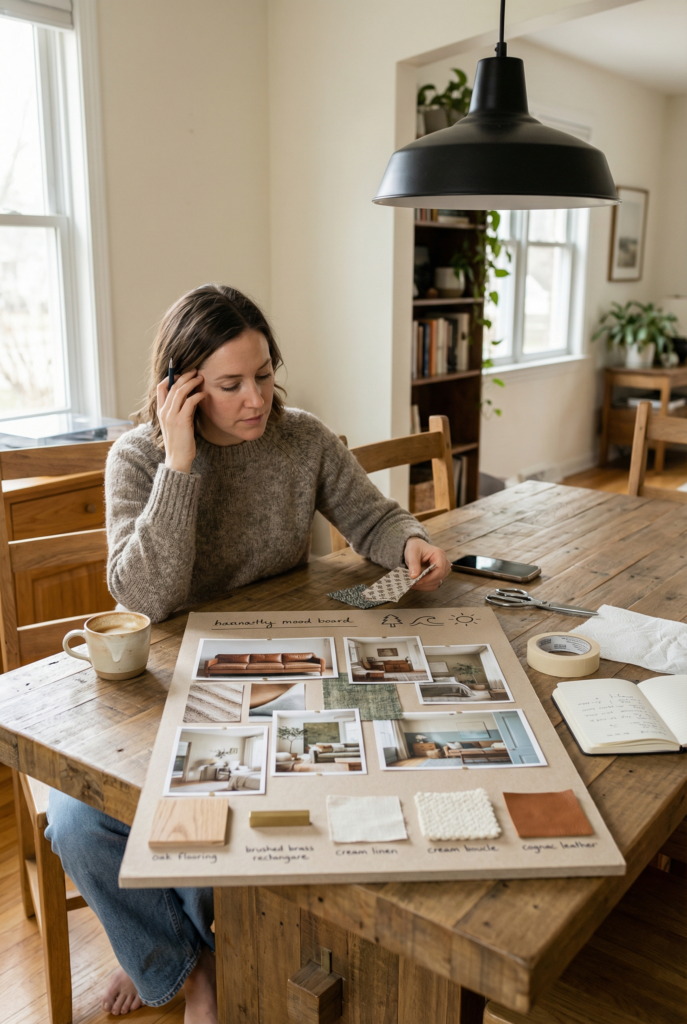
A mood board is your friendly referee. It stops you from buying a lamp because it’s on sale at 11:08 pm and then realizing it looks like it belongs in a different universe.
Simple rule: your mood board should answer, “Does this belong with my stuff?” not “Is this pretty?” Mood board ideas work when they’re specific enough to guide choices and loose enough to evolve.
Think of it like a capsule wardrobe for your room. You choose a color direction, a couple of repeating materials, and a few shapes that keep showing up.
Then when you’re choosing a rug or a coffee table, you don’t have to reinvent the wheel. You check the board. I keep mine simple: 9–12 images, one line of text that names the vibe, and a small strip of materials (wood tone, metal finish, textile texture).
When I skip this step, I end up with mixing design styles by accident. When I do it, I mix on purpose, and the room feels cohesive even if it’s not “one style.”
Mini checklist (build a board that actually helps you decide):
- Choose one color direction (warm neutrals, soft whites, earthy greens, dusty blues, etc.).
- Pick one wood tone and one metal finish to repeat.
- Include one layout image that matches your room shape.
- Add 2 texture closeups (rug weave, linen, leather, boucle, wood grain).
- Add 1 “anchor item” you already own (sofa, rug, dining table) so you don’t pretend you’re starting from zero.
- Write 5 vibe words at the top (cozy, airy, grounded, tailored, playful).
Real examples (how it guides a purchase, not just your feelings):
If your board is warm oak, creamy walls, black accents, and relaxed texture, a shiny chrome lamp is probably going to feel like it wandered in from a different party.
If your board is crisp, tailored, and high contrast, a super slouchy boho pouf might look accidental unless you repeat its texture elsewhere. This is where collage design inspiration becomes a tool, not a scrapbook.
And if you need “personalized design help” without hiring anyone, a good board is that. It keeps your buys aligned. It also saves money, because you stop impulse-buying the wrong “cute” thing.
I once returned $63 worth of throw pillow covers because the colors looked perfect online and terrifying in my actual living room light. That was the day I learned: your lighting is a main character.
Mixing Design Styles Without Chaos (my 70/20/10 rule that saves my sanity)
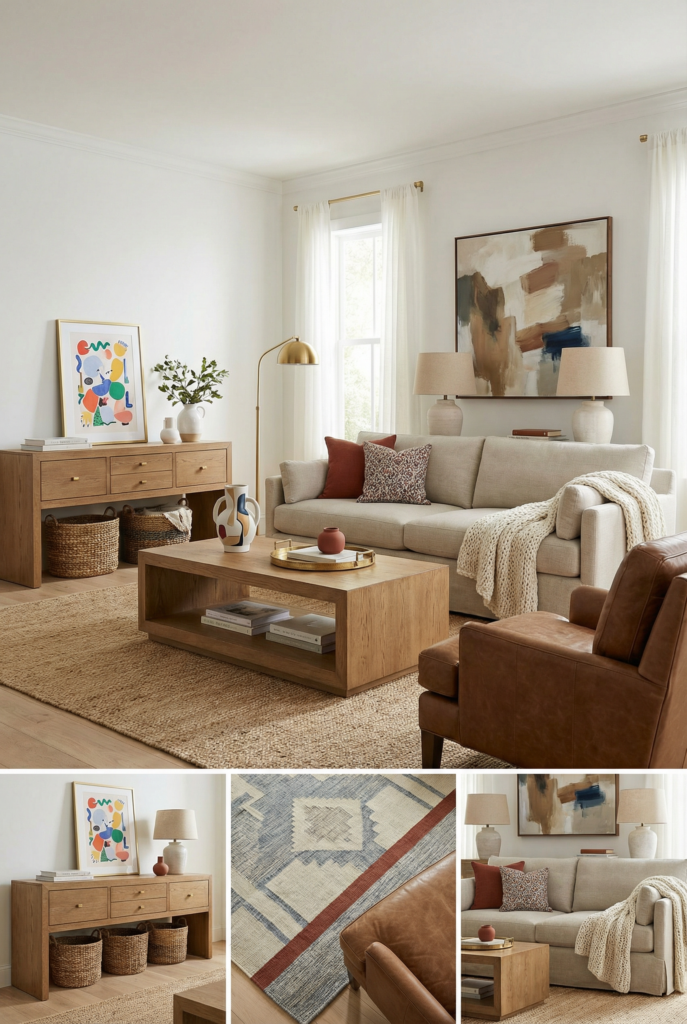
If you want to mix styles, do it with a plan. The easiest framework is 70% base style, 20% secondary style, 10% accent style, and then you repeat materials and colors so the room reads as one story.
How to use it? Your base is the structure: sofa shape, major casegoods, main rug direction. Your secondary is where you add personality: a vintage chair, a textured rug, a bolder art direction. Your accent is the fun stuff you can swap when design trends change or your taste shifts.
This is where “I love it” wins over “it’s everywhere.” If a trend fits your style preferences and your lifestyle, keep it. If it’s just loud online, let it pass.
The magic trick is cohesion: repeat one metal finish, repeat one wood tone, and repeat one color in three places. Suddenly, a room with mixed pieces looks intentional, not chaotic.
Sample combos that work in real rooms:
- Transitional base (70) + boho accents (20) + playful modern art (10)
Keep the sofa tailored, add a patterned rug and textured pillows, then one bold print. - California casual base (70) + modern farmhouse touches (20) + vintage brass (10)
Light woods, relaxed textiles, then a rustic table or black iron detail, plus brass repeats. - Modern farmhouse base (70) + transitional polish (20) + bohemian texture (10)
Clean lines and contrast, then soften with woven texture and warm-toned textiles.
Style Translations I Use When I’m Shopping (so it’s not just “vibes”)
Sometimes style names are helpful, but only if you can translate them into items you can actually buy.
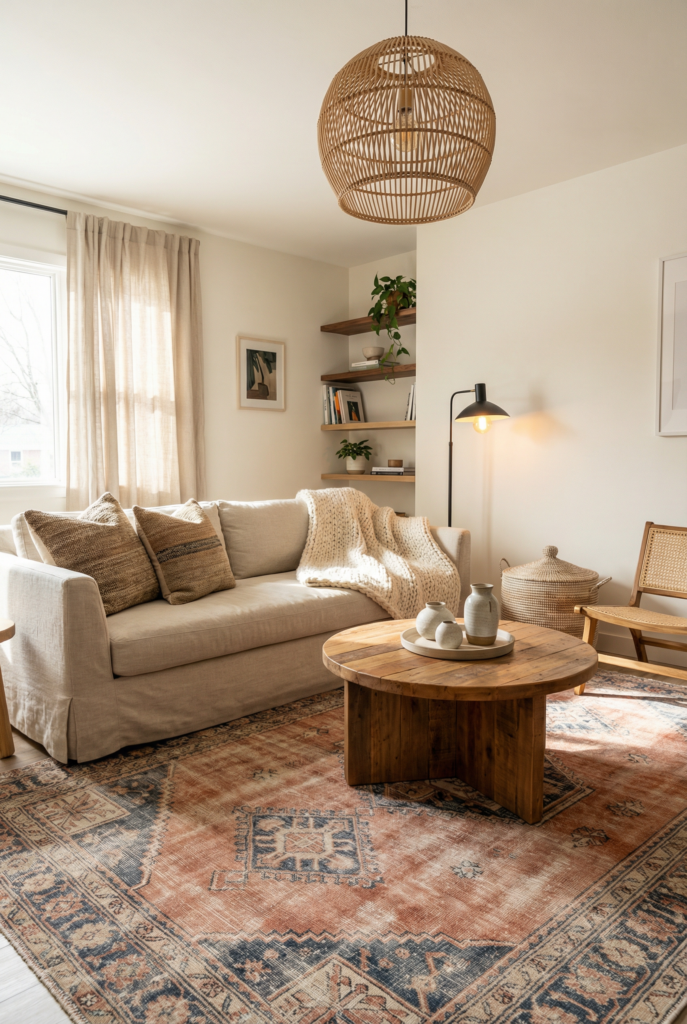
- Bohemian interior design translation:Looks like: a lower, comfy sofa (often slipcovered or linen-look), a rug with pattern and warmth, mixed woods, lots of texture, and lighting that feels soft.
Try: a vintage-inspired rug, woven baskets, warm wood tones, matte black or aged brass, layered textiles like chunky knits and linen.
Don’t do this: buy 12 tiny “boho” accessories and call it done. Go bigger: rug, lighting, and textiles carry the vibe.
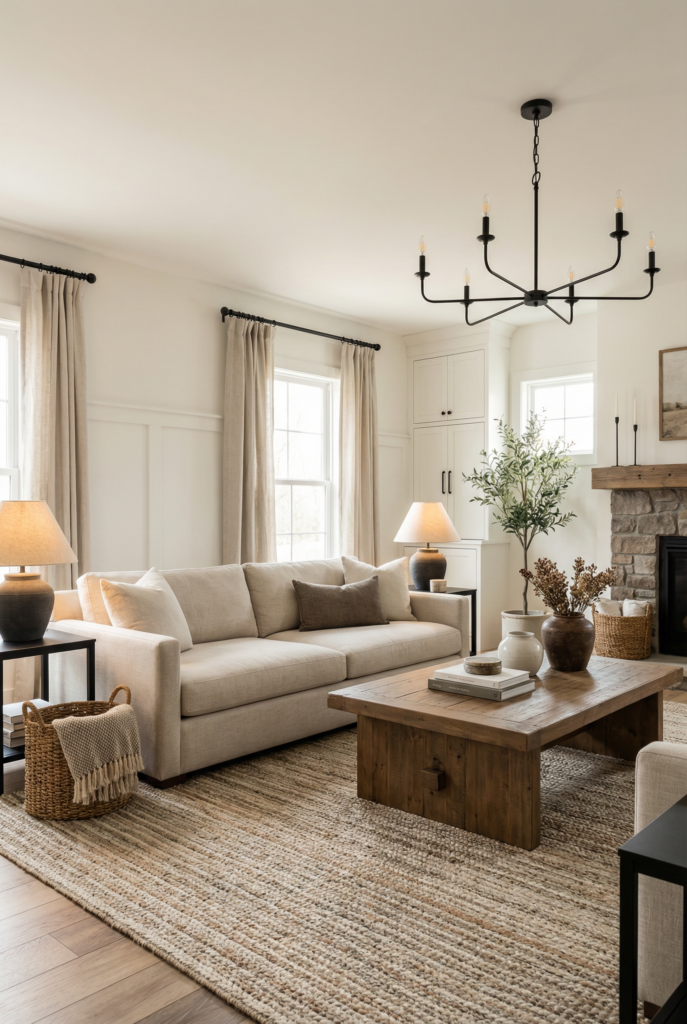
- Modern farmhouse style translation:
Looks like: simple shapes, cozy contrast, practical pieces, and a little rustic grit.
Try: a clean-lined sofa, a sturdy coffee table in medium wood, black metal accents, warm white walls, and lighting that feels classic, not fussy.
Don’t do this: make everything black-and-white with word art. Add warmth through wood, texture, and softer contrast.
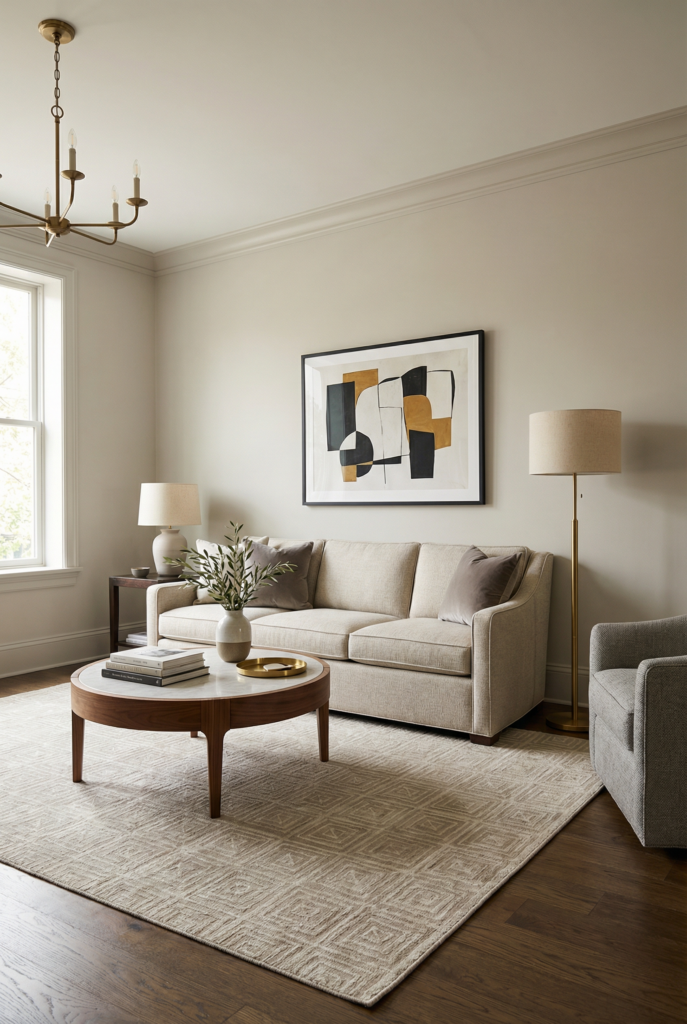
- Transitional decor translation:
Looks like: classic bones with modern calm. Tailored, not trendy.
Try: a structured sofa with subtle curves, a rug with a quiet pattern, brushed brass or black accents, warm neutral walls, and layered lighting.
Don’t do this: keep it so safe it becomes bland. Add one piece with personality: art, a vintage chair, or a sculptural lamp.
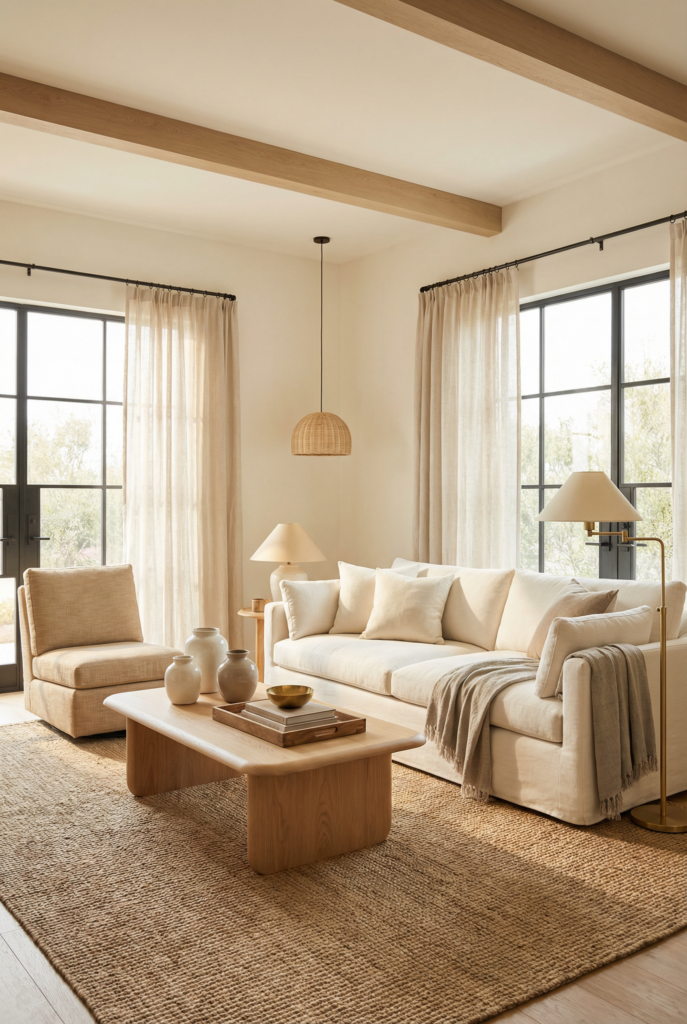
- California casual decor translation:
Looks like: airy, relaxed, sun-washed, and unfussy, but still intentional.
Try: lighter woods, creamy whites, sandy beiges, a jute or flatweave rug, linen textures, and warm metals. Lighting should feel soft and natural.
Don’t do this: confuse “casual” with “random.” Repeat materials and keep your color direction consistent.
Avoiding Trend Confusion
Trends are fun, but they’re not your boss. The goal is to keep design trends from hijacking your decisions and leaving you with a room that looks dated the minute your feed moves on.
Simple rule: filter trends through your life and your light. I’m not anti-trend. I’m anti “I bought it because everyone did and now I’m annoyed.” In 2026, it’s especially easy to get swept into micro-trends that look amazing in one creator’s perfect daylight.
Your home is not a studio. It has weird shadows, mismatched bulbs, and a corner where the dog shakes water off his ears like a sprinkler.
So before you commit, run the trend filter. If it passes, great. If it fails, you can still borrow the feeling with smaller swaps.
That’s how you protect your unique aesthetic ideas and keep your space grounded in your decorating style preferences, not the internet’s.
Mini checklist (my trend filter):
- Does it match my lifestyle, or will it annoy me daily?
- Do I like it in my own lighting, day and night?
- Can I live with it for 2 years without resenting it?
- Can I test it with small swaps first?
- Does it fit my mood board, or am I cheating on it?
Real examples (small-first testing that saves you money):
Want to try a bolder color? Tape up paint samples and look at them at 9 am and 9 pm. I buy the little sample pots and paint two poster boards because the wall lies sometimes.
Want to try a new vibe like heavier contrast or softer neutrals? Start with pillows, art, a lamp, or a single paintable surface. If you’re itching for a new sofa because “everyone is doing curved shapes,” try a curved accent chair first, or even a rounded coffee table.
Small-first is the easiest way to experiment without regret. It’s also the best way to keep “find your design style” from becoming “replace everything.”
And if you do nothing else, fix your lighting lol. That’s the sneaky home improvement tips category that changes everything.
Quick Wrap-Up (the whole point, in plain language)
Your decorating style isn’t a label you earn. It’s a set of choices you repeat because they make you feel good in your own space.
Collect what you love, match it to your real life, build a mood board that keeps you focused, and treat trends like spices, not the whole meal.
What to do next checklist:
- Save 12–25 images and circle your repeats.
- Write one sentence that describes your vibe.
- Make a tiny mood board with 9–12 images and 5 vibe words.
- Pick a base style direction and try the 70/20/10 mix.
- Test trends small-first (pillows, art, paint samples, lighting).
- Take photos of your room in daylight and at night before buying anything big.
Trust signals (because real homes are messy):
Every suggestion above is designed for real constraints: bad lighting, real budgets, pets, kids, rentals, and decision fatigue. Measure your room, take photos in day and night light, and check your mood board before you click “buy.” Your future self will thank you.
FAQ
What is the 70 20 10 rule in interior design?
It’s my favorite way to mix styles without your room looking like it got dressed in the dark. You pick a base style for about 70 percent of the room (big stuff), add a secondary vibe at 20 percent (supporting pieces), and keep 10 percent for accents (the fun, swappable bits). If you’re trying to find your decorating style, this keeps you from panic-buying five “statement” items that don’t talk to each other.
What is the 60/30/20 rule in decorating?
This is a color balance cheat code: about 60 percent of the room is your main color, 30 percent is your secondary, and the remaining 10 to 20 percent is your accent. It stops your palette from feeling chaotic, even if you’re mixing patterns. If your room feels “off,” it’s often because the accent color is trying to be the main character.
What is the 80/20 rule in interior design?
Make 80 percent of your choices calm, classic, and easy to live with, then use 20 percent for personality or trends. That 20 percent should be the stuff you can change without crying later: pillows, art, decor, lamps, even a paint color if you’re brave. It’s how you keep your home feeling current without chasing every trend.
What are the 3 F’s of interior design?
The version I actually use is: Function, Feel, and Finish. Function means it works for your life, feel means the room gives you the mood you want, and finish is the visual polish that makes it look intentional. If one of these is missing, you’ll sense it immediately, even if you can’t name it.
What are the 7 basics of interior design?
The basics people usually mean are: space planning, balance, proportion and scale, rhythm, emphasis, contrast, and harmony. In normal-human terms: layout first, then big pieces, then lighting, then color and texture. If you fix the layout and lighting, most “why do I hate this room” problems get dramatically less dramatic.
How do I learn interior design by myself?
Copy rooms you love, then reverse-engineer them like you’re studying a recipe. Pay attention to the big decisions: layout, rug size, lighting layers, and the room’s color direction. Then practice in your own space with small changes, one at a time, and take before and after photos so your brain can’t gaslight you.
What is the biggest mistake in placement of furniture?
Usually it’s breaking the conversation zone, either by pushing everything against the walls or spacing pieces so far apart the room feels lonely. A living room should let people talk without shouting and reach a table without doing a full-body lean. If you can’t set down a drink without stress, the layout needs a tweak.
What is the 2/3 rule furniture?
You’ll hear it two ways most often: art should be about two-thirds the width of the furniture below it, and rugs should be big enough that your main seating at least has front legs on the rug (or roughly two-thirds of the seating zone sits on it). It’s a proportion rule, not a strict measurement law. Use it to keep things from looking too tiny or like they’re floating awkwardly.